Why we must resist demonization, Even of the worst fascists

As I begin to write about the worst Fascists (i.e., the Nazis), it occurs to me that humanity is altogether more wonderful and more terrible than we commonly imagine it, more angelic and more diabolical. The mundanity and the moral and intellectual mediocrity of most lives is not the native and inevitable condition of the average human soul, but rather an impasse between vast forces of good and evil and immense impulses towards life and towards death. From this conflict we seek refuge in numbing routine and stultifying dogma, content for the most part to experience the battle at a safe remove, transmuted into art. Our impulse towards life and effort, fierce as the Sun, is satiated, because we are thinking and acting; and our impulse towards rest and stillness, inexorable as outer space, is mollified because our thoughts and actions rotate, like the Earth itself, in the same circuit every day. Continue reading

Reconciling Religion and Politics in Post-Obama America

church and state

Hakim’s car smelled faintly of cigarette smoke, but it was clean and he greeted me warmly. Hakim was an African-American man with a raspy voice and a slight southern accent. This was my first experience riding Lyft, and it was a pleasant one. He asked me about my work and told me about his—he recently retired as a parole officer, and drives for Lyft on the weekends. Our conversation eventually turned to politics. I didn’t know what to expect. In the wake of an election that had been described as a “whitelash,” I wanted to tread carefully. I tried to say things that would assure Hakim that I understood something about the racial tensions that were unsurfaced and aggravated during and in response to the election. I wanted him to know that I appreciated President Obama and that I had not supported Trump’s candidacy. I was surprised when he said, “You know, I had a real hard time with this election. I actually voted Republican in the last two. Just couldn’t bring myself to vote for Obama. Religious reasons, you know? I had the same problem with Hillary. But Trump?” The way he said “Trump,” sliding into a raspy falsetto, made me laugh. That and my surprise: a middle-aged, middle-class African-American man voting for McCain and Romney rather than Obama, due to religiously-motivated objections (to gay marriage and abortion, as it turned out). Serendipitously, perhaps, our destination was a church. As I got out, he said, “God bless, my friend.”

I know that people of color are not monolithic, just as I recognize that many are forced to uncomfortable compromises when voting, trying to participate within a system that has often explicitly discouraged their participation, voting for what seems to be the lesser of two evils and the least likely to provoke direct harm to them and their loved ones. It is very likely that Hakim is not consistently conservative. But in a defining moment of American politics, he voted Republican. I’ve often wondered which candidate he voted for in 2016.  He never told me, but apparently it wasn’t a particularly straightforward question for him. Continue reading

Trump’s Mormon (Tabernacle Choir) Problem

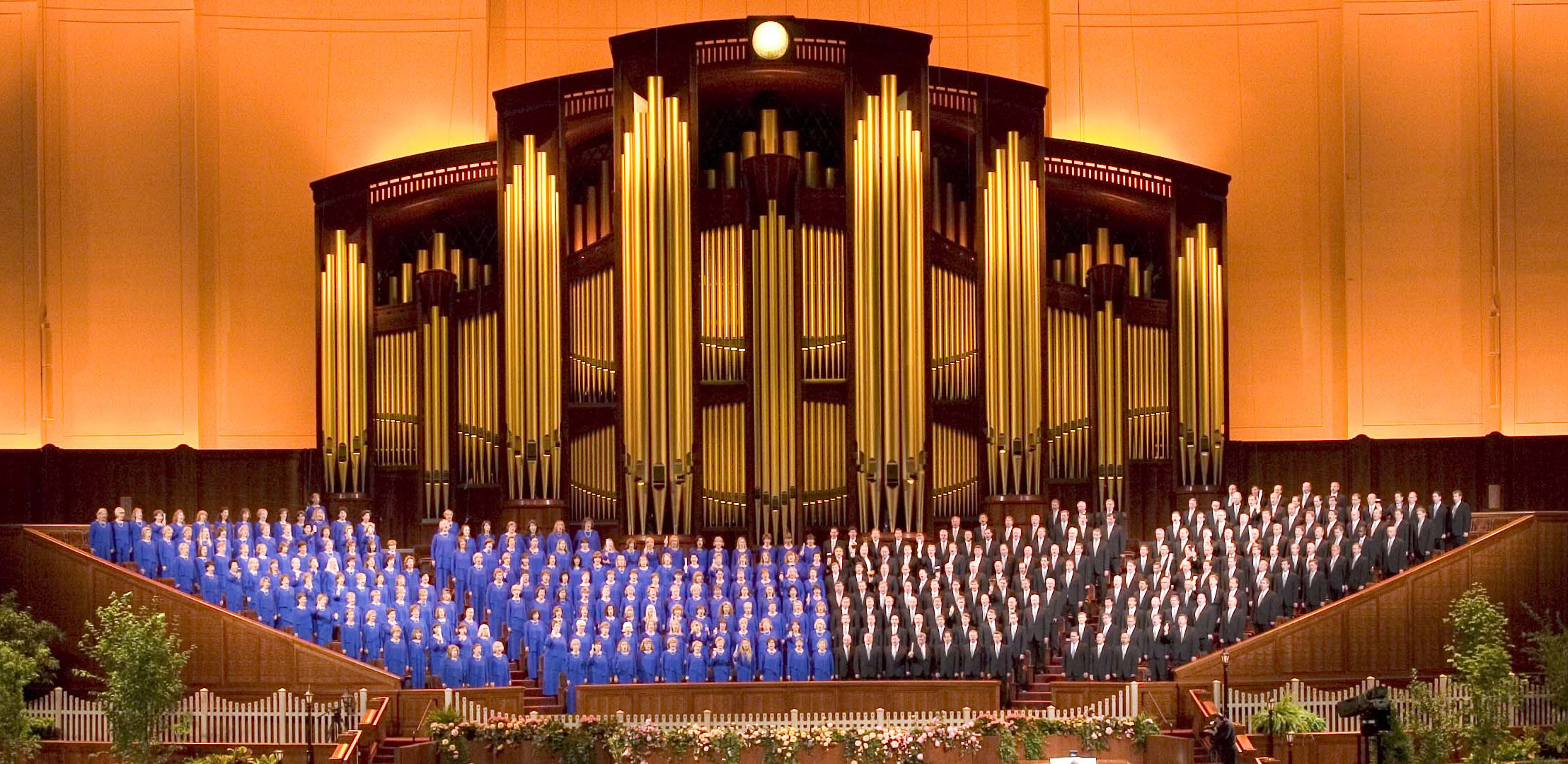
Mormon Tabernacle Choir

It is no secret that Trump has a Mormon problem (see this NY Times article and this Washington Post article, for example). During the troubled campaign, the LDS Church released a statement implicitly responding to (and opposing) Trump’s proposed ban on Muslim immigration, and church-owned Deseret News published an editorial condemning Trump’s misogynistic behavior and rhetoric, calling him to withdraw from the race–something all the more notable because the newspaper had not taken sides politically for 80 years. And although Trump ultimately won Utah, Mormons (in Utah and elsewhere) opposed Trump’s presidency more than any other traditionally conservative religious group. Yesterday, it was announced that the Mormon Tabernacle Choir would be performing at Trump’s election. Continue reading

What happens when a liberal professor interviews a conservative economist?

Kevin and Tim.00_53_46_13.Still001

Actually, a surprisingly amiable conversation. We release this fifth Courteous Conversation about minimum wage fittingly on Labor Day. Today celebrates the contribution of laborers—sometimes underpaid and overworked—to our nation’s prosperity and wellbeing.

Continue reading

Courteous Conversations: Destroying our own freedom of speech

communication-1461378-1278x1040

It was not easy to find people like Dan and Jonathan.

The first thing to know is that Dan and Jonathan are both Mormons, a generally conservative group, and yet they disagree over whether homosexual marriage should have been legalized. Dan is strong, confident, and has a beard while Jonathan is clean shaven and skinny.

David explains the rules of Courteous Conversations and then pauses. The camera is already rolling, but as David is about to ask Jonathan to state his beliefs about homosexuality, he second guesses himself, fumbles a little, and then says, “you’re on camera, so we understand if you don’t want to say something.” Continue reading

How to have Courteous Conversations about Polarizing Issues

Video trailer for Courteous Conversations

At the beginning of the summer, David and I set out to find a way to help people who disagree over polarizing issues—even passionately, and often angrily—talk productively together. Fed up with the antagonistic political discourse so prevalent (and aggravated by the current presidential campaign), we wanted to create a situation where people would actually listen to the other side. (For a glimpse into why this kind of conversation is so important, check out this YouTube about political discrimination.) To do this, we had to remove incentives to argue, create a situation where participants felt safe, and take away platforms for rebuttal.

Here’s what we did: Continue reading